The FIFA World Cup 2026 is set to be the biggest football tournament in history, with 48 nations, 104 matches and games taking place across the USA, Canada and Mexico.
Millions of people across England will be looking forward to another summer of football. Households will be planning gatherings, pubs and venues will be filling up, England flags will appear from windows and cars with conversations about team selections, predictions and penalties will dominate workplaces, social media and family WhatsApp groups.
For many, the World Cup is about much more than football. It’s about belonging. It’s about national identity. It’s about shared experiences and memories. Even if you’re not a football fan, you’ll know the World Cup is happening.
For many families, it will be a celebration.
For others, it will be something very different.
Whilst excitement builds in some homes, tension is rising in others. Whilst some people are planning where they’ll watch the matches, others are quietly wondering how they will get through them safely.
This is because major football tournaments continue to be associated with an increase in domestic abuse incidents.
Research examining England matches found that reports of domestic abuse increased by approximately 26% when England won or drew and by 38% when England lost.
As someone who spent many years supporting victim-survivors as a domestic abuse caseworker, World Cups and European Championships always brought additional concerns. Safety planning conversations became more frequent. Clients would talk about changing routines, arranging somewhere safe to go after matches, ensuring phones were charged or identifying who they could call if things escalated.
Anyone working in domestic abuse services, safeguarding or policing will be familiar with this pattern, but many members of the public are not.

The Statistics We Can’t Ignore
The statistic that often captures people’s attention is the increase following a loss; it seems logical. People imagine disappointment, frustration, alcohol and heightened emotions. But the statistic that interests me most is the increase when England win. Because if domestic abuse was simply about losing, we wouldn’t see an increase after a victory.
The fact that abuse rises regardless of the result tells us something important. The football match itself isn’t the cause. The answer lies much deeper than that.
Football Doesn’t Cause Domestic Abuse
This is one of the most important messages to understand. Football does not cause domestic abuse, just as Christmas doesn’t cause domestic abuse. However, these events and circumstances may create additional stress, emotion or opportunity, but responsibility always remains with the person choosing to use harmful behaviours.
Around the world we see similar patterns linked to different sports. In New Zealand, concerns increase during major rugby tournaments. In North America, researchers have identified similar trends around other professional sports.
The common factor is not football. The common factor is people.
More specifically, it is how some individuals respond to identity, belonging, emotion, entitlement, control and perceived loss of status.
When Football Becomes More Than Football
For many supporters, football is part of who they are. For some, football becomes almost all of who they are. Their team isn’t simply a team, it is their tribe, their community, their identity.
Every missed penalty feels personal. Every refereeing decision feels like an injustice. Every defeat feels like something has been taken from them. Most supporters experience these emotions and manage them safely. Some do not.
For some perpetrators, football can become another trigger through which existing abusive attitudes and behaviours are expressed. Not because football created those attitudes. But because football provided the circumstances in which they surfaced.

Domestic Abuse Looks Different Behind Different Front Doors
One of the challenges when discussing football and domestic abuse is that people often imagine the same scenario.
They picture somebody shouting at the television, drinking heavily, becoming increasingly angry and eventually becoming violent. Sometimes that does happen.
But domestic abuse is far more complex than that. In some households, abuse is linked to high conflict, poor emotional regulation, alcohol misuse and explosive behaviour.
In others there is:
• No shouting.
• No dramatic argument.
• No smashed glasses.
• No obvious warning signs.
The final whistle blows, the TV is switched off, the person quietly finishes their drink, the click of the front door is heard and somewhere in that house somebody’s stomach drops because they know exactly what comes next.
This is the reality of controlling and coercive behaviour. The abuse is not driven by a temporary loss of control. It is driven by a desire to maintain control. For those victim-survivors, the football result is not the problem. The problem is what the perpetrator chooses to do with the emotions that result from it.

What Can We Do During World Cup 2026?
The good news is that awareness saves lives.
Today, far more workplaces, community organisations and public services understand domestic abuse than they did a decade ago.
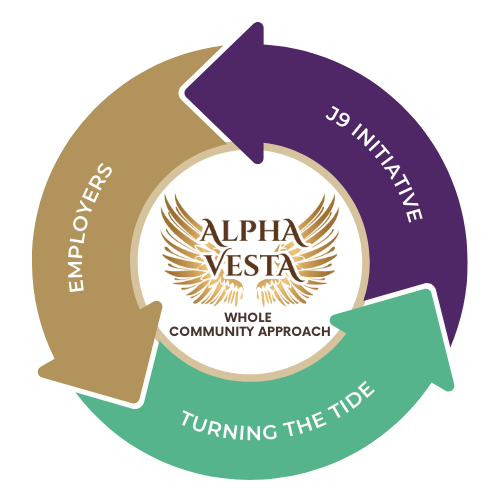
Through initiatives such as J9, thousands of people across workplaces and communities have been equipped to recognise the signs of domestic abuse, respond safely and confidently signpost someone to specialist support.
As you enjoy the football this summer, remember that not everyone will be experiencing the tournament in the same way.
If somebody seems unusually anxious about match days, reluctant to go home, distracted at work or withdrawn from conversations about the football, don’t simply assume they aren’t interested in the game. There may be much more happening behind closed doors.
The World Cup will last a few weeks. But for those living with domestic abuse, the impact can last a lifetime.
SETDAB have a fantastic resource library to support raising awareness of domestic abuse which includes a campaign focused on the World Cup 2026 alongside a social media toolkit. Whilst the social media content can be changed to adapt to your own branding and style, we ask that all content signposts to Compass, the Essex-wide domestic abuse helpline where relevant:
SETDAB World Cup Communications 2026 – Southend and Thurrock Domestic Abuse Partnership
We wish England a successful tournament and ask that you look out for one another during this time. Remember, that sometimes the most important thing we can do is notice when someone needs help and let them know they are not alone.
All the best
Lucy

Lucy Whittaker
Founding Director & Lead Trainer
Please click on the below link to access a full list of both regional and national support services.
If you feel there is an imminent threat to life, you are at risk of significant harm at this very moment or you are experiencing an immediate crisis – please always call for the Police or Ambulance service on 999